
By: NC Clean Energy Technology Center and Smart Electric Power Alliance
Three U.S. states approved virtual power plant (VPP) and battery storage pilots, two states paved the way and set timelines for new VPPs, and a Michigan utility filed plans to expand its VPP capabilities by 1,400 MW. These developments and others described below indicate that policy and industry support for VPPs remained robust yet generally measured in Q3 2026, with activities unfolding in 26 U.S. states.
This quarterly update from the Smart Electric Power Alliance (SEPA) and the N.C. Clean Energy Technology Center (NCCETC) summarizes significant VPP-related regulatory, legislative, and utility actions in Q3 2026, and previews what to watch for in Q4. For a broader, deeper view of 2026 policy developments, keep an eye out for our forthcoming end-of-year report, which we aim to publish in January 2027. (Our end-of-year report covering 2025 developments is available here.)
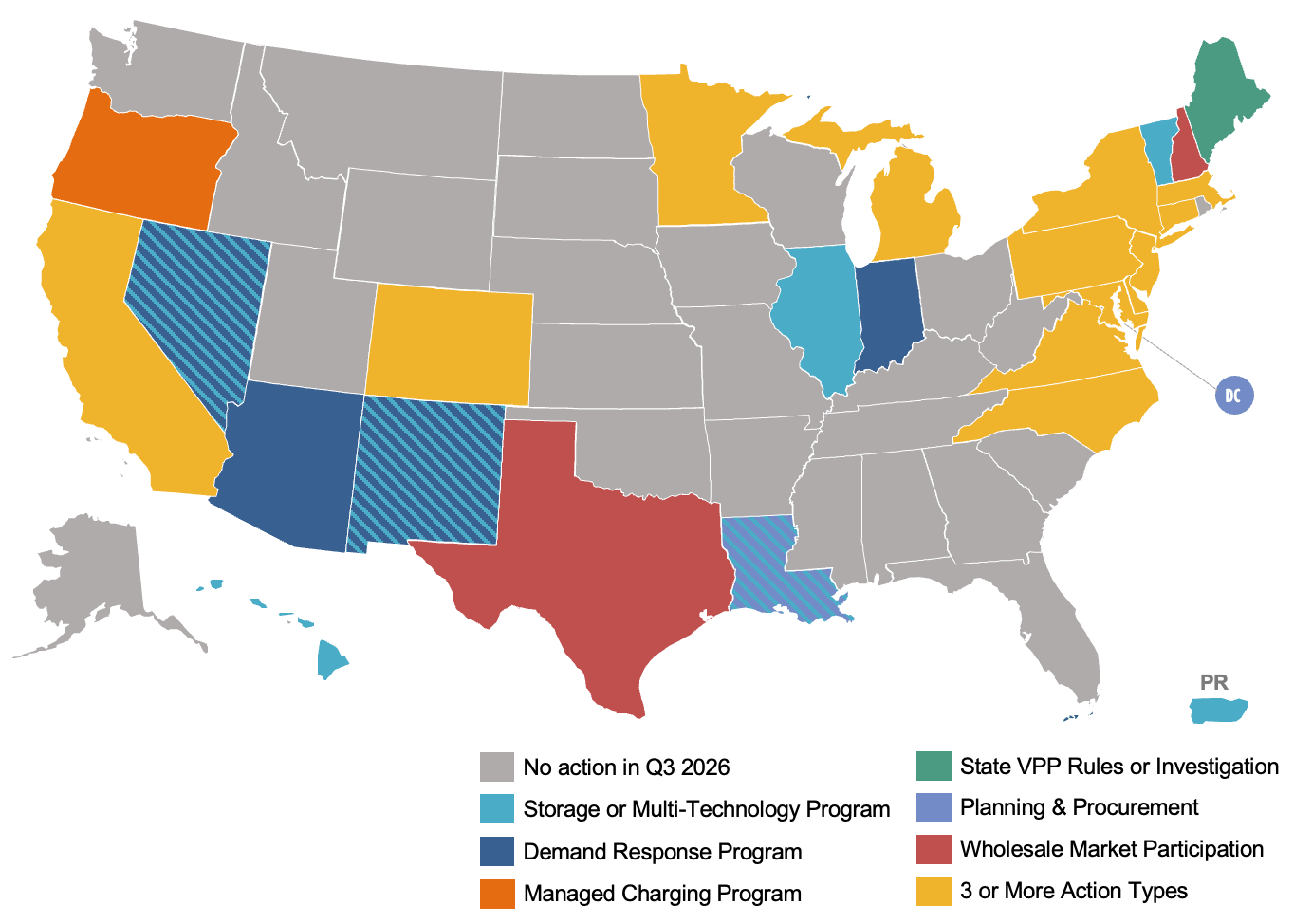
The three U.S. maps below illustrate the breadth, prevalence, and types of VPP and supporting distributed energy resource (DER) developments in Q3 2026. State-by-state summaries of Q3 highlights follow.
Figure 1: State and Utility Actions Addressing VPPs and Supporting DERs, Q3 2026
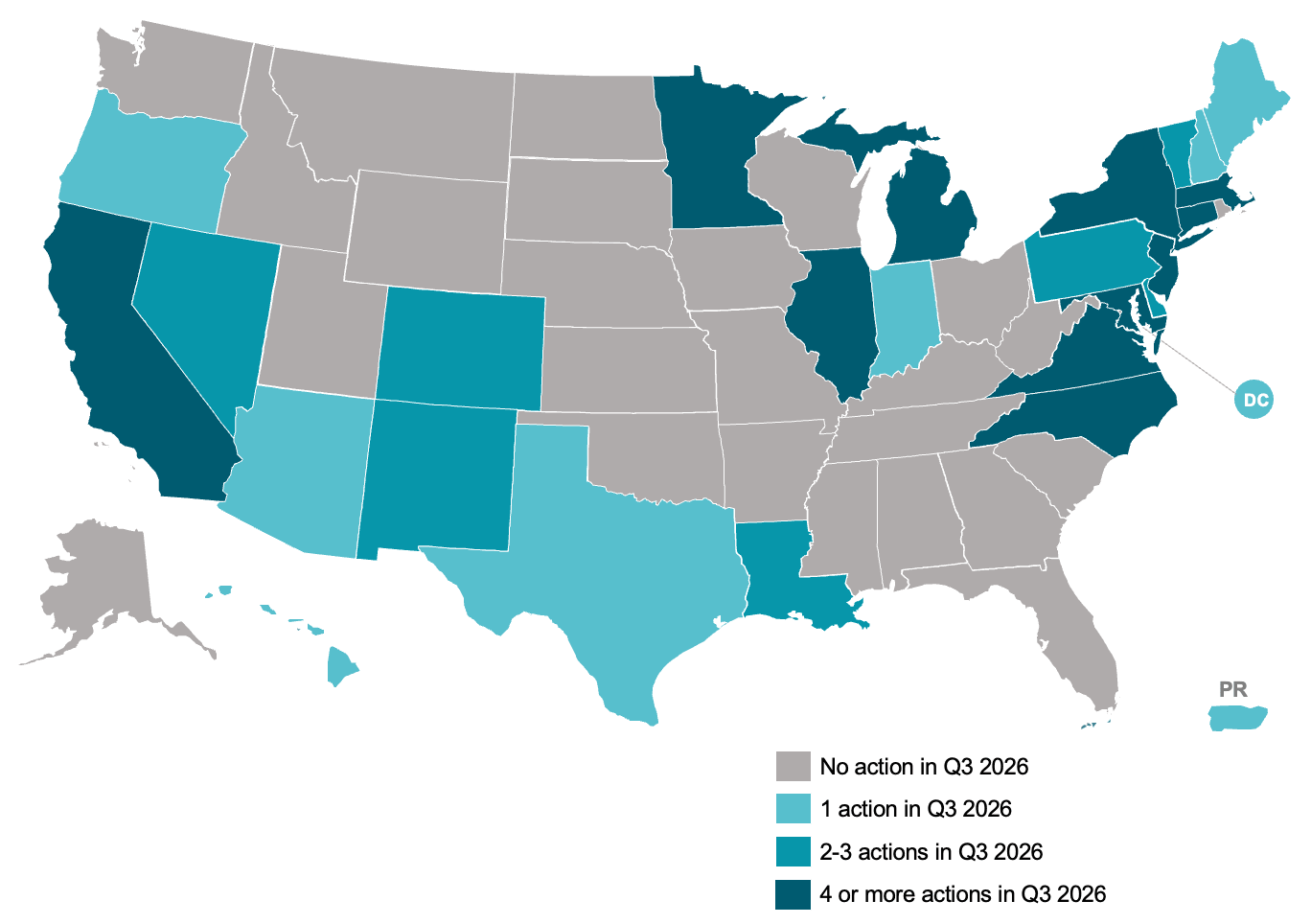
Figure 2: Legislative and Regulatory Actions Addressing VPPs and Supporting DERs, Q3 2026
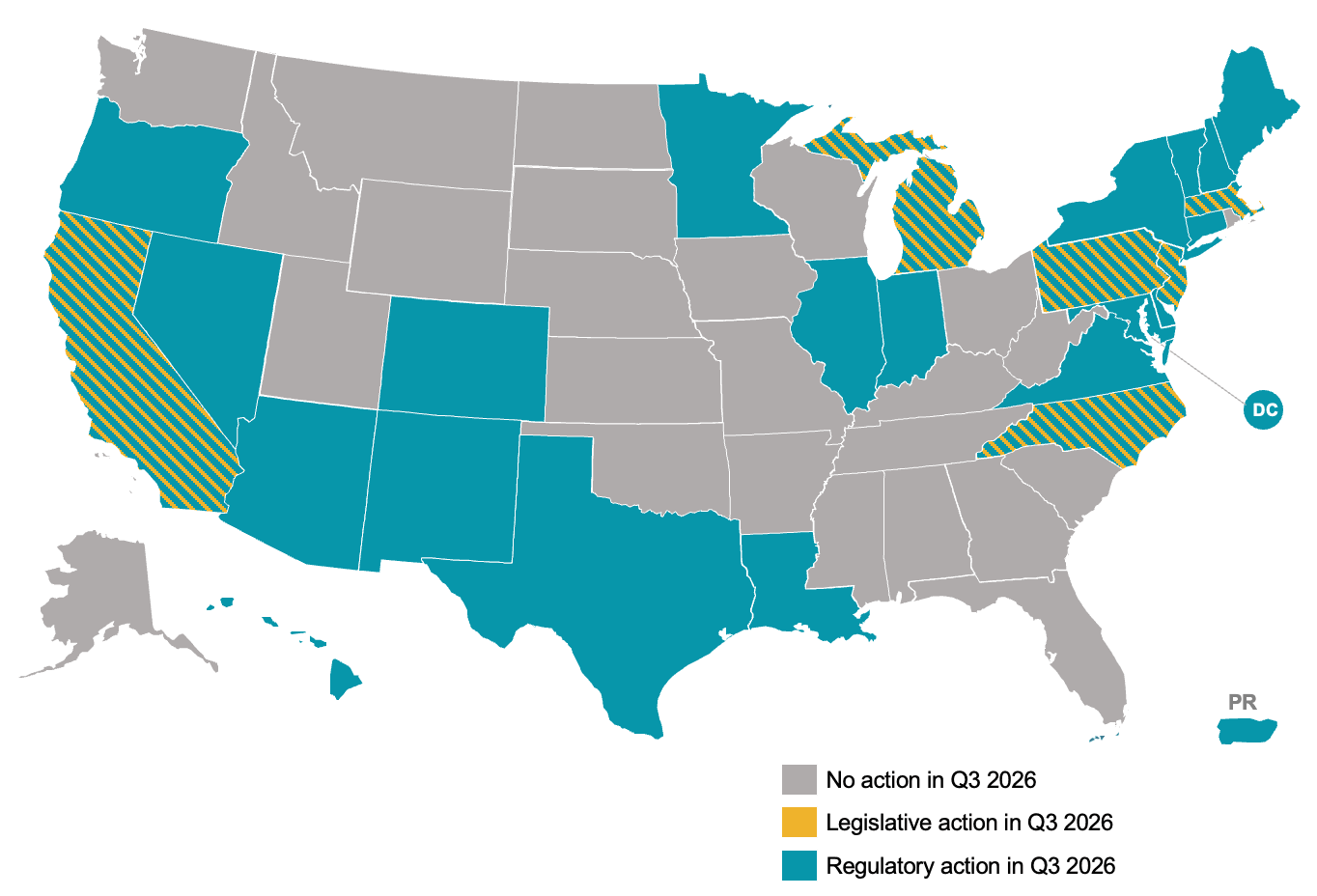
Figure 3: VPP and Supporting DER Actions by Type, Q3 2026
California
S.B. 913, S.B. 905 – signed into law
Enacted in September, S.B. 913 requires the California Public Utilities Commission (CPUC), in coordination with the California Energy Commission and the California Independent System Operator (CAISO), to enhance existing market-integrated pathways for aggregated DERs to qualify as resource adequacy capacity by June 30, 2028. Under S.B. 913, these resources will be eligible (1) for local, system, or flexible resource adequacy capacity under any qualifying capacity or successor methodology adopted, and (2) to receive resource adequacy credit for full capacity value, including energy exported past the utility meter. S.B. 913 also aims to reduce barriers to enrolling distributed resources as aggregated DERs.
S.B. 905, also enacted in September, directs the CPUC to require larger utilities to publish data quantifying the potential for increased utilization of distribution grid segments, including peak utilization metrics. Utilities also must assess (1) current distribution grid capacity utilization for each segment for which a distribution grid need has been identified that may require new investments to meet future demand, and (2) whether strategies to boost distribution grid utilization (e.g., load flexibility, energy storage) could address the need at a lower cost than traditional upgrades.
Colorado
Docket/Case 26A-0263EG – proposed
In July, Xcel Energy filed its 2027-2030 Integrated Customer Program Plan, which includes its 2027-2030 Demand-Side Management (DSM) Plan – budgeted at $364.8 million over the four-year period – and 2027-2030 Transportation Electrification Plan. For commercial customers, Xcel’s proposal would raise the annual incentive level and create a bring-your-own-thermostat pathway under the AC Rewards program. For residential customers, the proposal would revise AC Rewards incentive levels, add pathways for multi-family units and background resiliency (via minor thermostat changes), and calibrate the program with the Saver’s Switch program (a direct-load control program). Xcel also proposed two new programs. Battery Connect would allow residential and small commercial customers with standalone storage or renewables-plus-storage to participate in demand response (DR), with incentives that vary by battery type and site. Peak Time Rebates would replace Energy Action Days as an opt-in performance-based incentive for residential customers. In addition, Xcel noted that its Aggregator VPP (AVPP) program will be administered under its DSM program portfolio.
Delaware
Docket/Case 26-0544 – approved
The Delaware Public Service Commission opened this docket in May, in response to a legislative resolution (S.J.R. 3 of 2025) directing utilities to participate in a Delaware Sustainable Energy Utility (DESEU) study of the costs and benefits of energy storage, and directing the DESEU to conduct a battery storage pilot. Delmarva Power described plans to use a $2 million DESEU grant to implement a battery storage pilot, embracing a “bring your own battery” (BYOB) model – and a seasonal participation incentive based on enrolled curtailable capacity – to aggregate customer assets into a dispatchable VPP. Approved in July, the pilot will launch by January 1, 2027, and support future expansion into DER aggregation and non-wires alternatives.
Maryland
Docket/Case 9761 – filed/pending
This proceeding addresses the implementation of Maryland’s 2024 DRIVE Act. In August, Potomac Edison submitted a revised VPP Pilot Program update, which includes a $7.5 million program budget (following the removal of $1.1 million in non-approved program elements). Potomac Edison will reduce the performance-based incentive available to net energy metering (NEM) customers participating in the VPP pilot, while maintaining a provision that customers who participate in 75% of event hours will receive 100% of the incentive value. In addition, the Maryland Public Service Commission (PSC) invited comments, due in October, on a joint stakeholder petition to reconsider and clarify a July PSC order regarding NEM customer compensation for VPP participation. In that order, the PSC concluded that “combining NEM with separate, additional compensation for peak load reduction can be considered double counting.”
Michigan
Docket/Case U-22127 – proposed
Consumers Energy’s Integrated Resource Plan (IRP) and Clean Energy Plan (CEP), filed in September, proposes procuring 3,300 MW of new energy storage by 2040 and establishing a new ex parte process to procure battery storage. Consumers Energy has also proposed expanding its VPP capability from 2,100 MW to 3,500 MW of load reduction, via EV load-shaping (i.e., shifting charging to daytime hours, when solar output is high), DERs that provide DR, other demand-side resources, and additional measures.
Michigan
Docket/Case U-21653 – approved
In June, DTE Electric proposed a new, two-year Residential Battery VPP Pilot that would provide incentives for utilizing existing battery systems serving customers’ homes in a specific net-zero community. Participants would receive $105/kW-year, with a maximum annual incentive of $504 per 4.8-kW battery. The Michigan Public Service Commission approved the pilot in September. (Note: this program arose from DTE Electric’s expedited pilot review workplan, which includes a stakeholder engagement process that allows third parties to suggest pilot concepts.)
Minnesota
Docket/Case 25-142 – ordered
In a July order approving Xcel Energy’s Integrated Distribution Plan, the Minnesota Public Utilities Commission directed Xcel to develop and implement a customer-sourced VPP pilot program (i.e., in addition to the Capacity*Connect program). By March 1, 2027, Xcel must propose a VPP pilot that addresses the capacity, reliability, or distribution system needs the program aims to serve; a capacity target and target timeline; a comprehensive program design; a program design using 3rd-party aggregators and allowing Xcel to be an aggregator; performance and cost-effectiveness metrics; and an implementation timeline, with program launch by December 31, 2028.
New Jersey
Docket/Case QO26030099 – proposed
Following a directive under Executive Order 2, the New Jersey Board of Public Utilities (BPU) initiated a docket in March to establish New Jersey’s VPP Program. The BPU invited and received stakeholder input addressing DER policy, strategy, and opportunities, including DER aggregation and compensation, and the roles of market players. In July, the BPU issued a straw proposal for the program, establishing a framework to aggregate behind-the-meter (BTM) DERs into a coordinated, utility-grade supply of grid services, while reducing peak demand, improving grid reliability, supporting community resilience and participation, and advancing the state’s clean energy goals. The straw proposal includes a two-phase implementation framework:
VPP Interim Program (2027-29): A two-year, technology-neutral, utility-administered transitional bridge program – launched by July 1, 2027 – that would deliver a measured and verified peak demand reduction target in each utility’s service territory by leveraging existing AMI, direct load control platforms, and the existing DR customer base. This program primarily aims to gather operational data to inform and refine the long-term framework, while also providing grid services that can produce near- and long-term savings by shifting utility models to less costly non-wires solutions.
Long-Term Open-Access VPP Framework (2029+): A market-based structure built on an open-access VPP tariff with a defined compensation structure. This framework requires stakeholder inputs, utility investment, and 3rd-party systems integration around a fully specified service architecture, and enables DERs to stack distribution-level grid service payments with wholesale market revenues (where allowed). It would “position New Jersey DER aggregations competitively for optimal market participation.”
Utilities likely will submit VPP Interim Program filings by December 31.
New Jersey
Docket/Case QO26040116 – proposed
In April, the New Jersey Board of Public Utilities (BPU) opened a docket addressing the Distributed Storage Segment (Phase 2) of the Garden State Energy Storage Program (GSESP). The BPU invited and received stakeholder input addressing technical capabilities and limitations, distribution system impacts, pathways to future aggregation/VPP participation, customer participation, cost-effectiveness and ratepayer impacts, incentive levels, and other topics. In August, the BPU issued a straw proposal for GSESP Phase 2 Block 1, to create a temporary incentive targeting 150 MW of BTM capacity while a long-term open-access VPP tariff is developed (see above). Utilities would administer Block 1, with performance events targeting PJM’s coincident peak hours and performance-based incentives taking the form of annual payments over a 10-year term.
Virginia
Docket/Case PUR-2025-00210, Docket/Case PUR-2025-00211 – approved
In August, the Virginia State Corporation Commission (SCC) approved Dominion Energy’s proposed 2025 DSM Update, which includes several DR and battery storage programs that will become part of Dominion’s VPP pilot program (see below). These include:
A Residential Battery Storage Pilot, which offers an enrollment incentive and performance-based incentives to participants for discharging their battery when called during peak demand, and at other times when doing so can support grid reliability and services.
A Residential Income- and Age-Qualified Battery Storage Battery Purchase Pilot, which provides qualifying customers with no-cost battery storage systems.
A Residential Income- and Age-Qualified Battery Storage DR Pilot, which offers performance-based incentives to participants.
A Bring Your Own Device (BYOD) Aggregator Access Pilot, which allows aggregators to enroll residential and non-residential customers with eligible DERs. Incentive structures vary depending on who manages the DERs.
The SCC also approved a VPP pilot program that Dominion proposed in December 2025, as required by a 2025 law (H.B. 2346). Dominion’s pilot will aggregate DR and DSM programs for eligible customers via a DERMS. It will also allow 3rd-party aggregators to participate through the programs Dominion proposed in its 2025 DSM Update (see above), as well as Dominion’s existing DR programs. Approved in August, the pilot will launch in Q1 2027 and likely will run for 18 months.
Looking Ahead
We are anticipating four known significant developments in Q4 2026:
Delaware: Delmarva Power’s battery storage pilot likely will launch.
Massachusetts: The fate of H.B. 5175, which would require utilities’ Electric Sector Modernization Plans to include load management and VPP strategies, likely will become clear. (As of the end of Q3, H.B. 5175 stood in a joint legislative committee after passing one house.)
Michigan: DTE Electric’s Residential Battery VPP Pilot likely will launch.
New Jersey: Utilities likely will submit VPP Interim Program filings.
Contacts
SEPA and NCCETC collaborated to develop this summary of major state policy developments addressing VPPs and supporting DERs in Q3 2026. We plan to continue publishing quarterly updates in 2027.
Autumn Proudlove, NCCETC: afproudl@ncsu.edu
Rusty Haynes, SEPA: rhaynes@sepapower.org
Additional Resources
DSIRE® (Database of State Incentives for Renewables & Efficiency)
SEPA Customer Programs Working Group (virtual monthly meetings)
SEPA Distribution System Working Group (virtual monthly meetings)
RE+ 2026 (November 16-19 | Las Vegas, NV)
RE+ Hawai’i 2027 (January 26-27 | Honolulu, HI)
RE+ Northeast 2027 (February 2-4 | Boston, MA)